
The Technology Behind the Fan
What is an HVLS Fan?
And Why Big Spaces Need One.
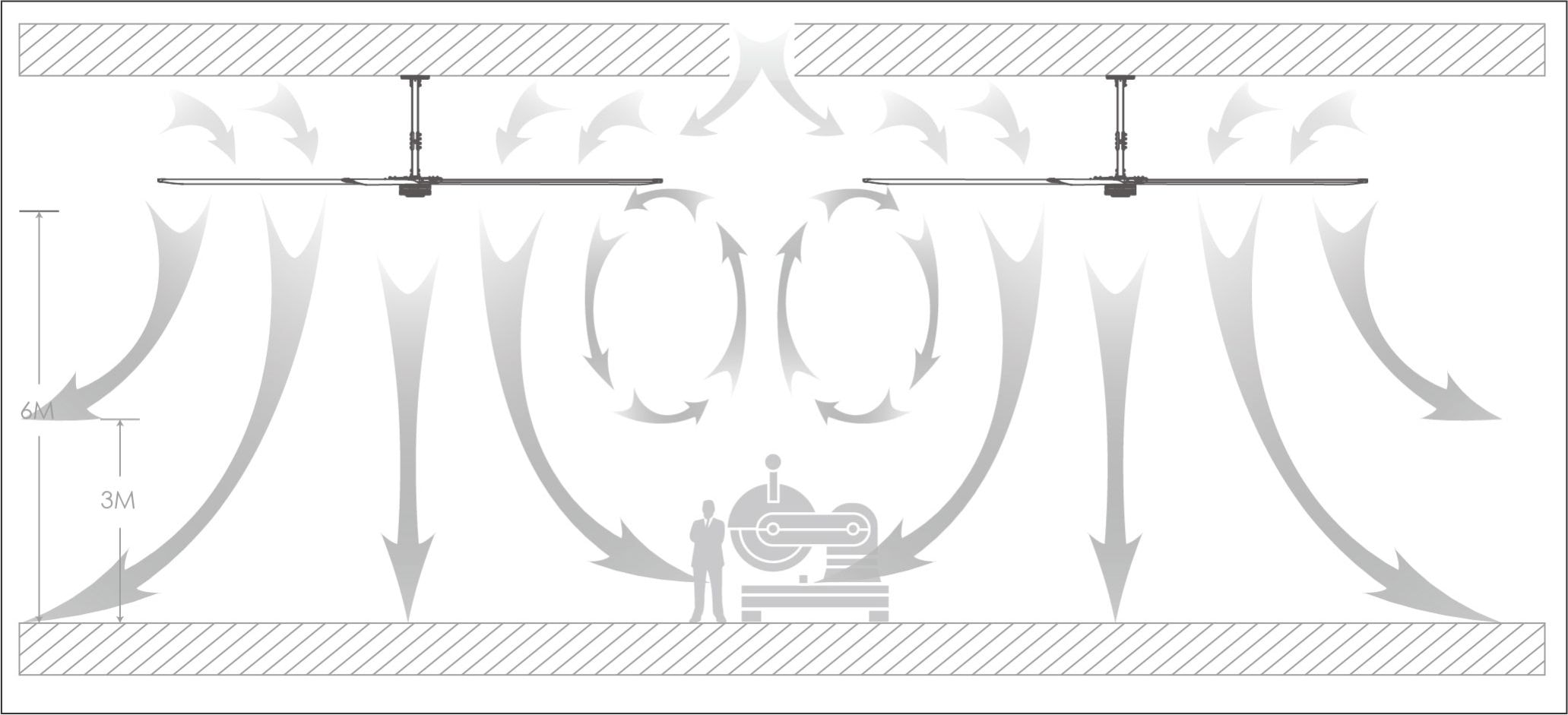
HVLS Fan Airflow Pattern & Air Circulation
How It Works
HVLS stands for "High-Volume, Low-Speed" — a large-diameter ceiling fan engineered to move enormous volumes of air at a fraction of the speed of conventional fans. By pushing a wide column of air downward and outward across a large space; HVLS fans create steady, even airflow without the noise or energy draw of traditional high-speed units. The result is a gentle, natural breeze effect that makes large spaces feel significantly cooler while keeping electricity costs low.
Unlike conventional high-speed fans that create turbulent, localized airflow, HVLS fans produce a wide column of slow-moving air that blankets the entire floor area — reaching every corner of the space evenly.
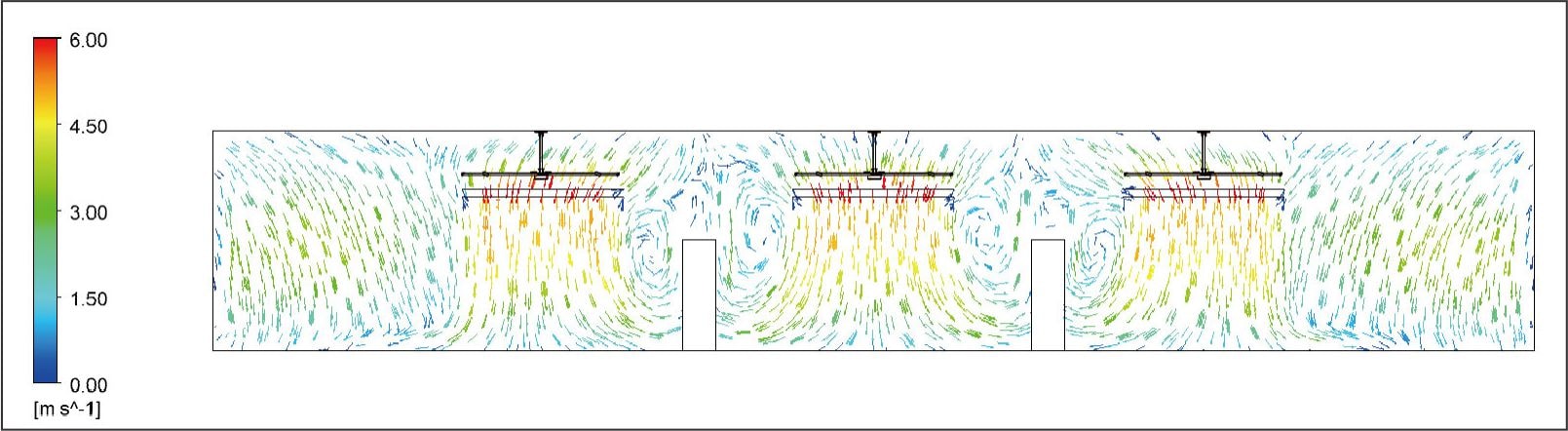
Single Fan — Airflow With Obstacles
Energy Savings & AC Efficiency
A single 24 ft Northwind HVLS fan can replace hundreds of small high-speed fans. For example, a 97,000 sq ft facility that would typically require around 300 conventional fans can be fully covered with just six Northwind HVLS units. Operating on as little as 1.5kW of power, HVLS fans can reduce energy usage by up to 92% — with lower maintenance requirements and a more comfortable working environment.
In mild seasons, HVLS fans alone can often eliminate the need for air conditioning entirely. In warmer months, they work alongside HVAC systems to evenly distribute conditioned air — eliminating hot and cold spots, reducing HVAC runtime, and improving occupant comfort. Depending on building conditions, this can lower cooling costs by as much as 50%.
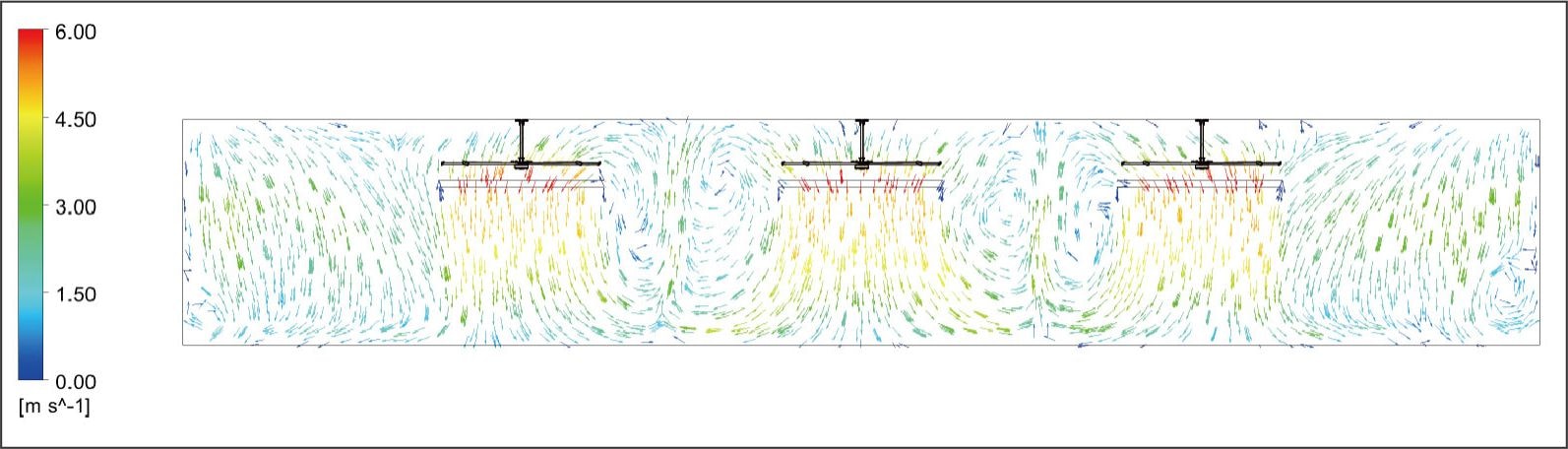
Multi-Fan Airflow Coverage
Human Body Cooling
HVLS fans combine natural ventilation principles with large-diameter blade engineering to move air efficiently across an entire space. The steady airflow can lower the perceived heat index by up to 30°F — creating a noticeably cooler environment that improves worker comfort and productivity.
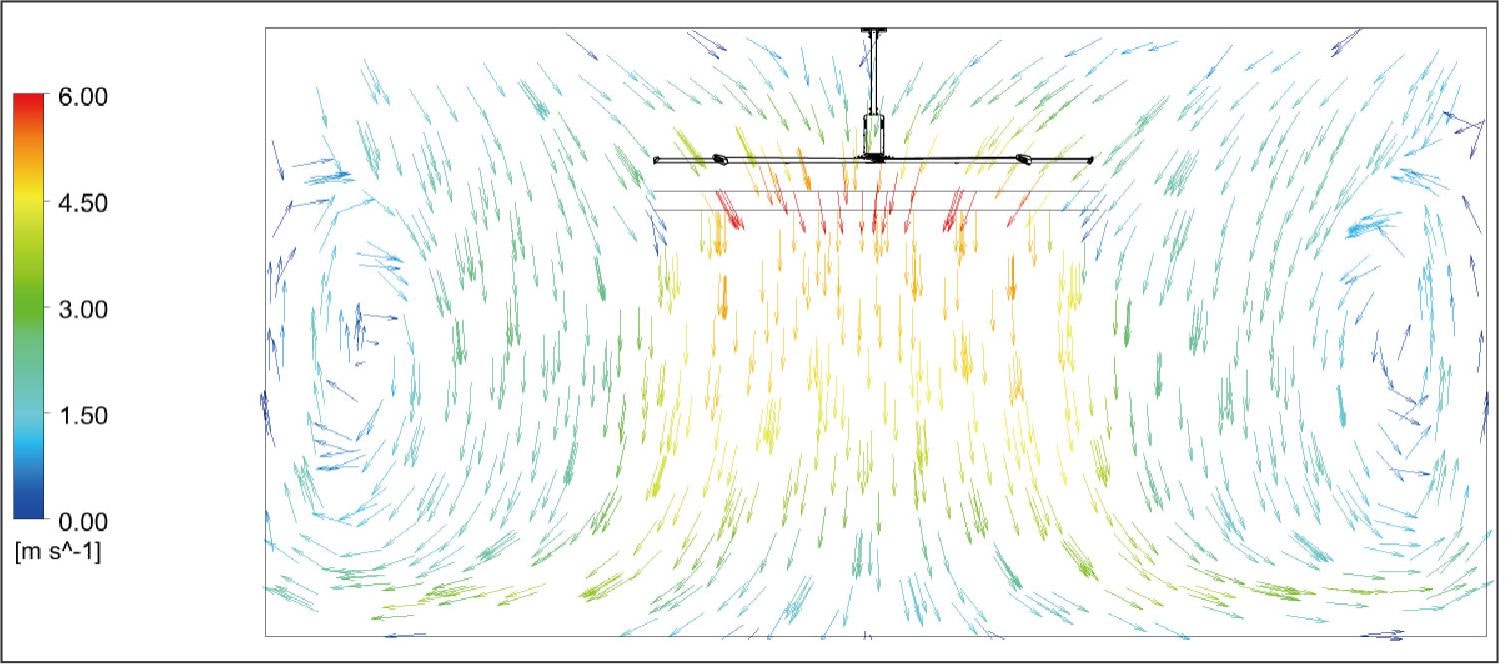
Single Fan — Open Space Airflow
Dehumidification
The wide airflow coverage of an HVLS fan significantly increases the rate of air exchange between indoor and outdoor air. This continuous circulation reduces ambient moisture levels throughout the space — helping prevent the buildup of bacteria, mildew, and condensation damage by keeping wet areas dry and air quality fresh.
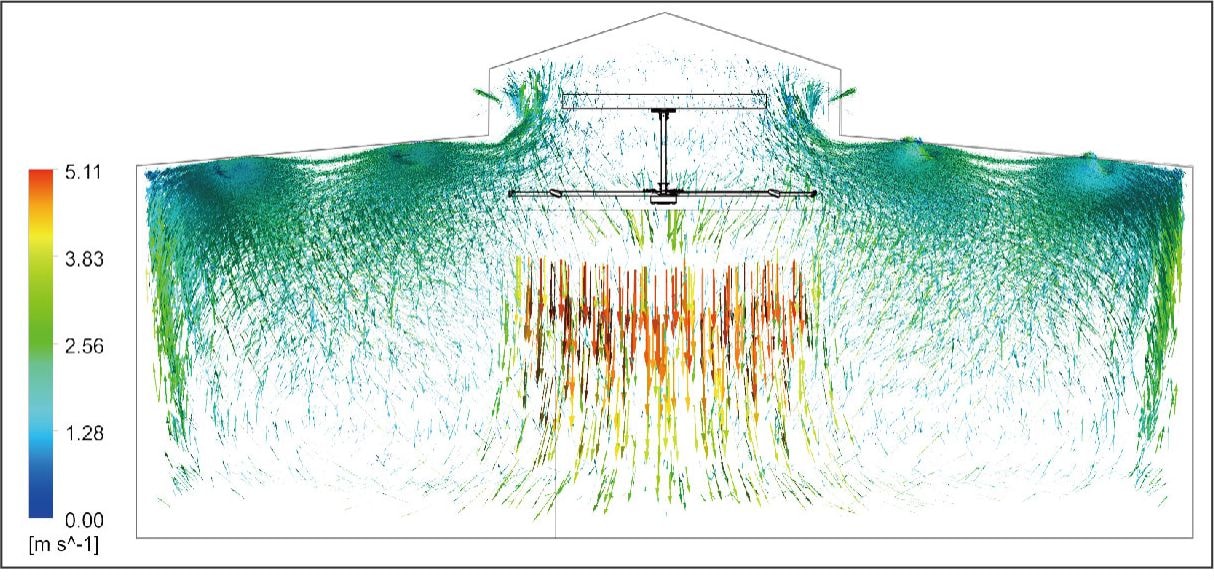
Fan + Exhaust — Combined Ventilation
Why Northwind
The Smart Way to
Get HVLS.
Now that you know what HVLS can do — the question is how to get it without overpaying. Big-name brands charge a premium for the same technology, often marking up prices that have no business being that high.
Northwind was built to change that. We bring industrial-grade HVLS fans directly to you, cut out the middlemen, and pass the savings on to facility owners who deserve a fair price. Same performance. Honest pricing. No runaround.
Ready to Upgrade Your Space?
Get a custom quote for your facility and see how much you can save.